From the inventors of passive dye-stain
What hits your ATMs?
Pick everything you've seen. We'll show you what stops it, and the evidence that it works.
Where are your ATMs?
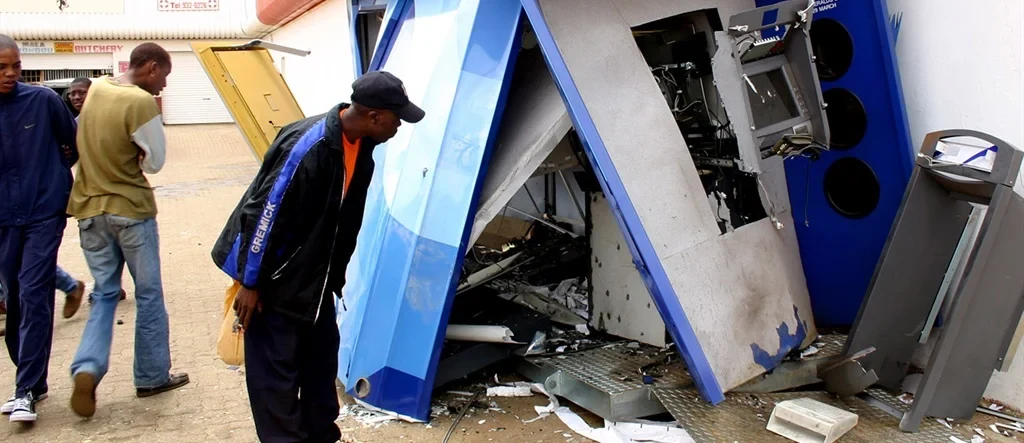
You need explosive cover
BiNK
Passive dye-stain, triggered by the blast itself. No power, no sensors, no false activations.
- Solid explosives covered
Your choices travel with the enquiry, so the first call starts from your attack profile.
The evidence
Reported SA ATM bombings, 2010 to 2015, after BiNK went into 16,000+ ATMs.
Source: SABRIC
Explosive ATM attacks in Europe in 2023, about 14 a week.
Source: EAST
Physical attacks on European ATMs in 2023, up 24% on 2022.
Source: EAST
How BiNK works
The blast is the trigger.
The shockwave that breaches the safe also ruptures the ink. No sensor has to detect the attack, so there's nothing to miss.
- 1The blast breaches the safeSolid or gas explosive. A solid-explosive shockwave travels at 8.5 km/s.
- 2The same shockwave ruptures the ink containerPatented and passive. Nothing has to detect the attack.
- 3The notes are stained and worthlessThe prize is spoiled, which removes the reason to attack.
 Solid explosive8.5 km in 1.00 sGas explosive1.8 km in 1.00 sSolid is 4.7× faster
Dye-stain devices installed. The largest base in the world
Source: SBT
South African ATMs fitted with BiNK
Source: SBT
Reported SA ATM bombings, 2010 to 2015
Source: SABRIC
What we defend against
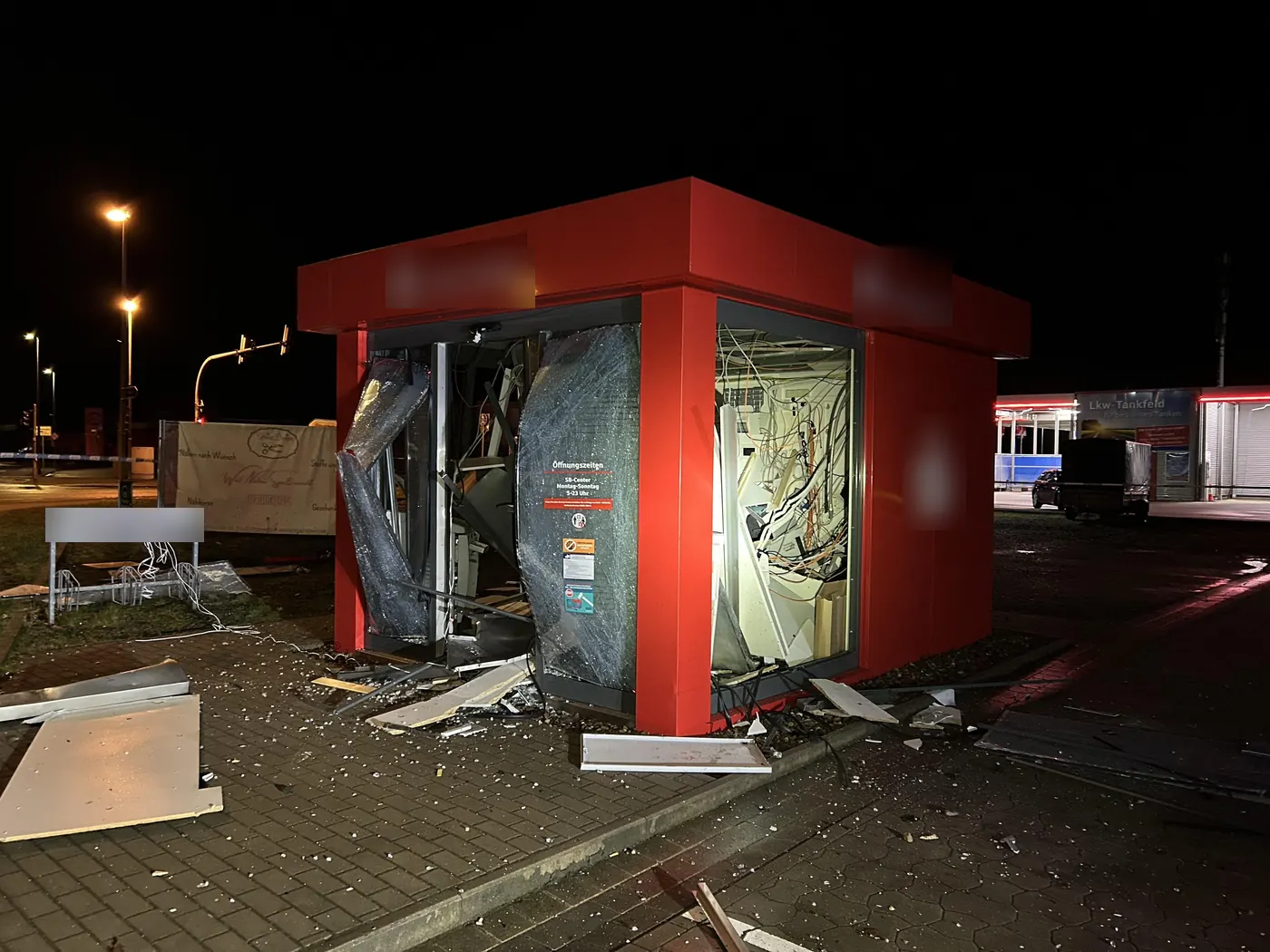
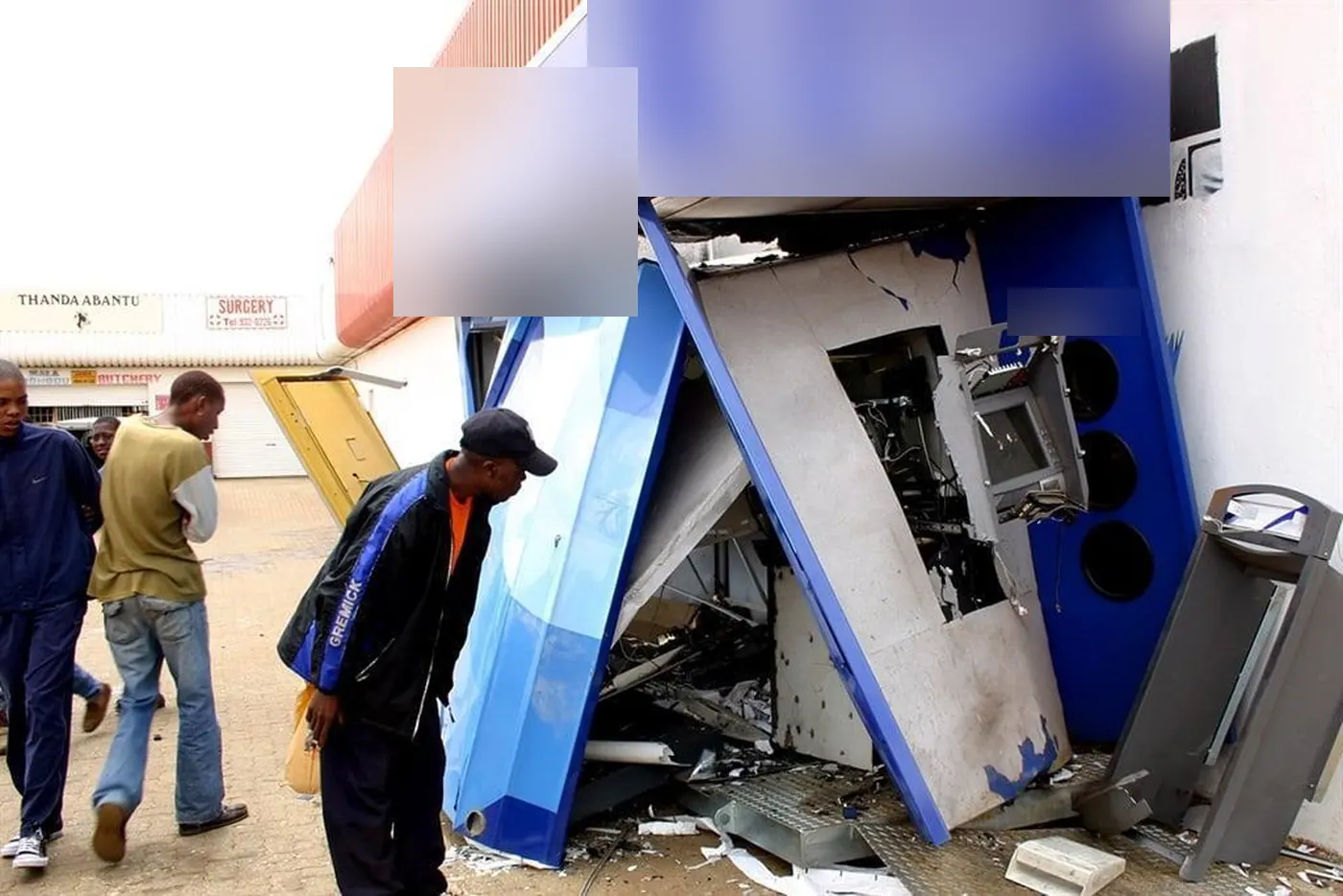
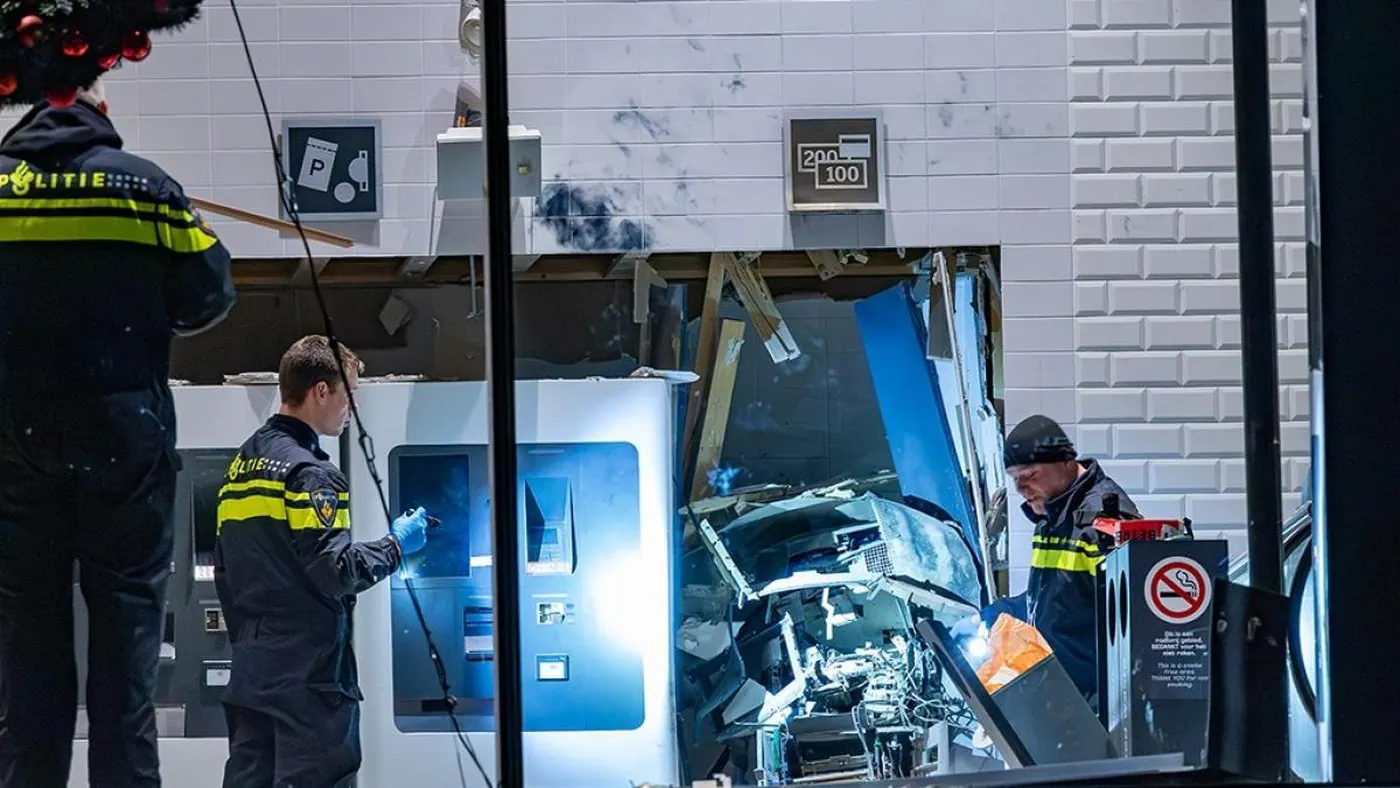
This is what an explosive attack does.